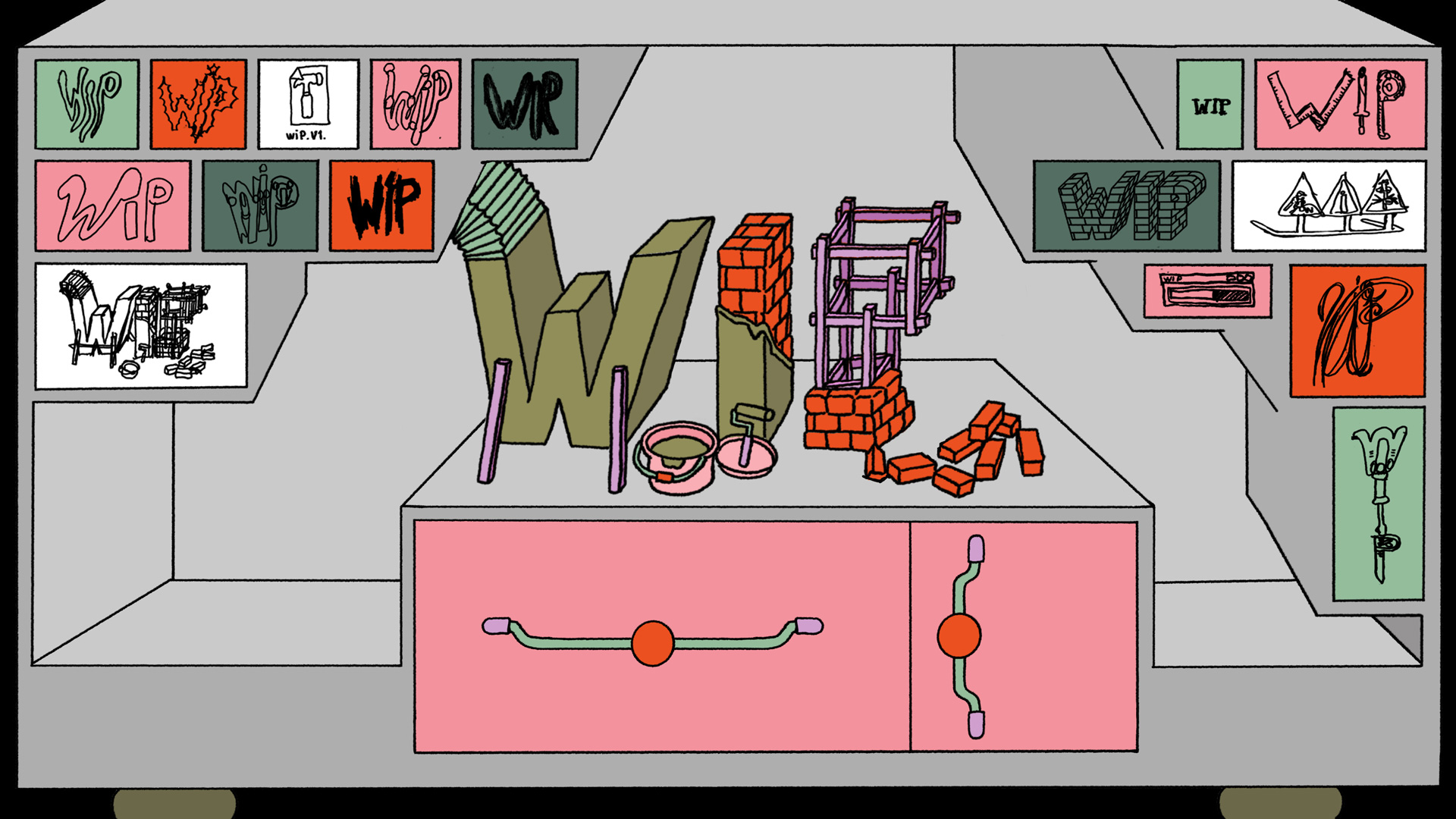
In independent cultural spaces, a great deal of work begins before there is enough money, enough time or enough people to do it.
A space has to open. Rent has to be paid. Funding has to be found and applications written. Artists have to be invited, emails answered, communication done, furniture moved, guests welcomed. Sometimes all of this is carried by a handful of people changing roles several times within the same day. The circumstances are different from place to place, but many of these situations are immediately recognisable across Southeast Europe.
At the end of November, PERIFERAL brings organisations, artist-run initiatives and cultural practitioners from across the region to Timișoara for several days of putting these realities on the table: how we operate, where our resources come from, what we have tried, what has failed, what is worth holding on to, and what we might learn from one another.
Participants include Autostrada Biennale from Kosovo, Bura Galeria from Hungary, Jadro Cultural Space from North Macedonia, PROSTOR from Croatia, Šok Zadruga from Serbia, Swimming Pool from Bulgaria and Tirana Art Lab from Albania, alongside Romanian initiatives including Manybody Collective, Lateral Art Space, Balamuc, It Space, Baraka, Forum Lab, Nava C2 and Punct. More participants will be announced.
The programme brings together presentations and conversations about how independent organisations work and sustain themselves, visits to spaces and exhibitions across Timișoara, and time simply to meet, exchange ideas and form connections. The gathering will also mark the launch of the second edition of Artist Run Index Timișoara.
There is no assumption that a perfect model exists somewhere else, waiting to be imported. Some ways of working emerge precisely because infrastructure is missing. And something that works in one place cannot necessarily be lifted out of its context and reproduced elsewhere.
If the ‘centre’ is imagined as the place from which resources, validation and models are supposed to arrive, PERIFERAL tries another direction. For a few days, it asks what becomes possible when knowledge, experience and resources move across the region, rather than always towards the centre.