
12–14 October 2026, Indecis artist run, Bastion 3, Timișoara
Participation is free · Registration required
Nothing we do happens on its own. Behind our work, our practices and our everyday lives, there is always a network of people, gestures, habits and forms of support that makes things possible.
Throughout this workshop, Iulia Toma proposes a shared working process centred on these connections and on the ways they come to form a “we”. Each of us belongs to several groups at once — some inherited, others chosen or built over time. We come together through shared concerns, similar ways of living and working, through what we share with one another, and through the resources we learn to hold in common.
Here, the eco-tribe is a form of belonging that has to be made and maintained. A social space we return to, one we support and that, in turn, supports us. Solidarity, mutual aid and commonality become everyday practices: small affective ecologies that need time, attention and work in order to stay alive.
Starting from textile and its capacity to be gathered, reused, stitched, layered and transformed, the workshop explores how belonging might take on a shared form. Materials carry traces and histories of their own. Working with them together can rearrange those histories into a temporary identity for the group — one made from differences, affinities and whatever each person brings with them.
ECO-TRIBES approaches community as an ongoing process: something continually made, repaired and negotiated. A living structure that exists for as long as people are willing to take care of it.
“We need these overarching identities: they give us protection and points of reference. How do we signal our belonging to this way of being? How do we show others who we are?”
— Iulia Toma
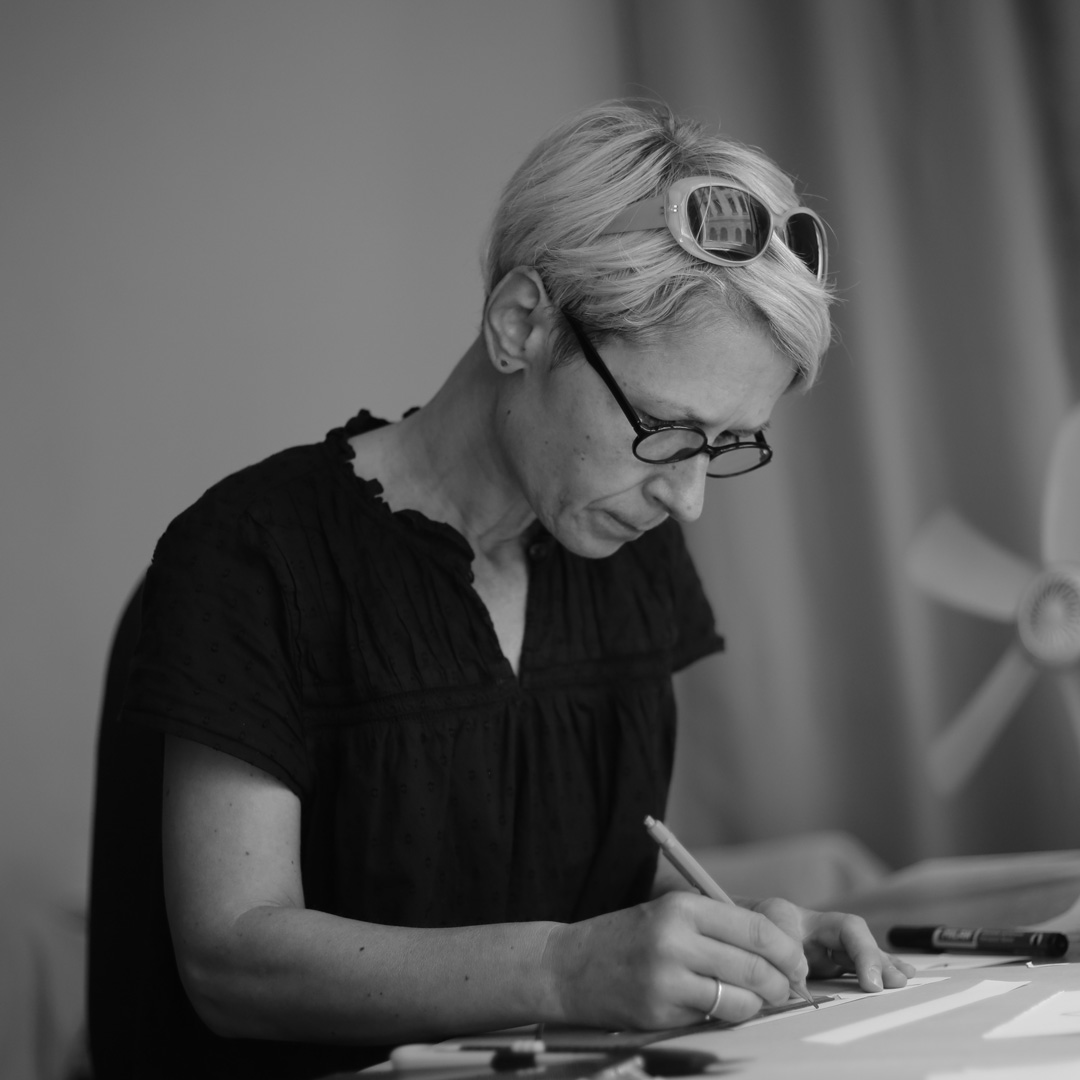
Iulia Toma is a visual artist whose practice is rooted primarily in textiles, extending into photography, installation and text. Her work often begins with seemingly ordinary things — fabrics, lived-in spaces, close relationships and domestic gestures — and uses them to address broader social structures: feminism, equity, rights, labour, and the ways communities form, protect themselves or become fragile. She teaches in the Textile Arts & Design Department at the National University of Arts in Bucharest and is represented by Ivan Gallery.